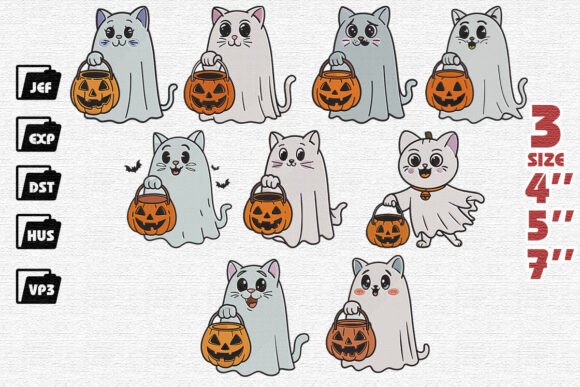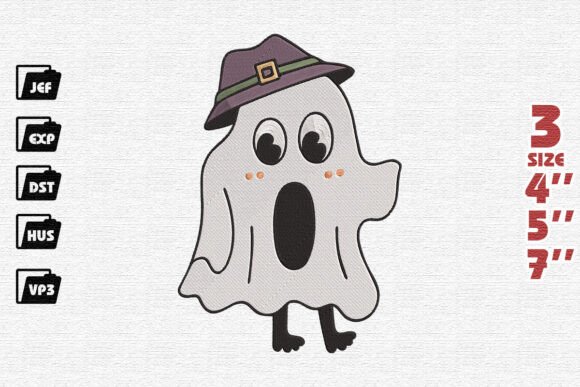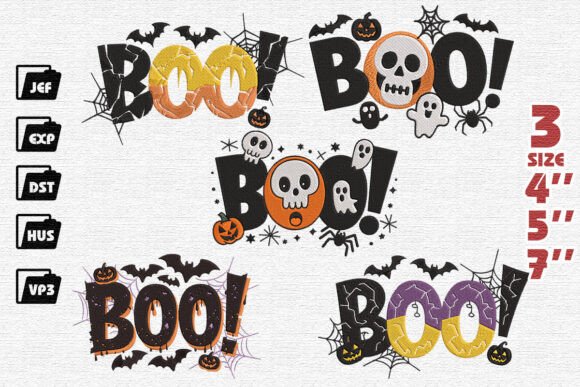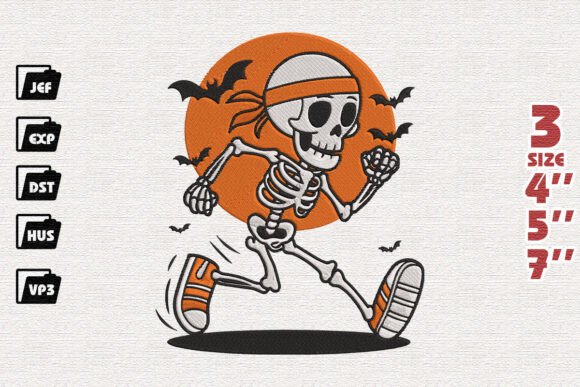
Wicked Cute Embroidery
First Impression: Playful, Festive, and Instantly Recognizable
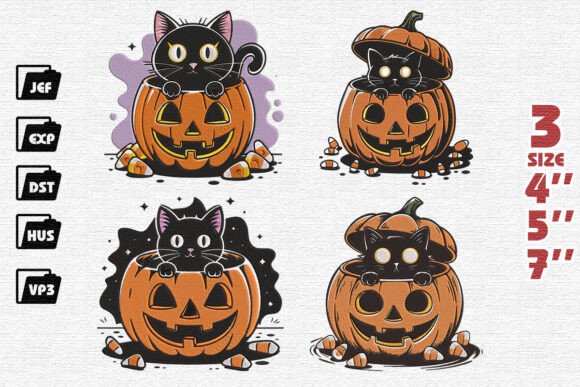
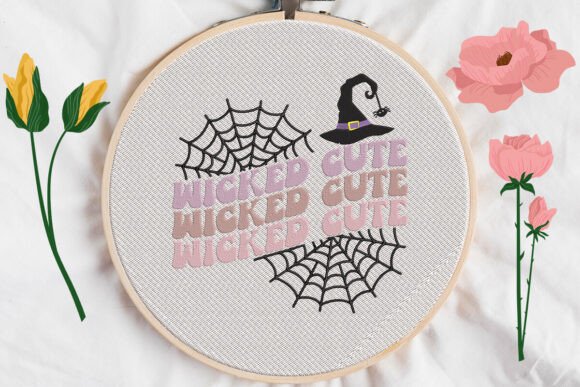
As an embroidery designer who’s prepped over 200 craft fair booths—and shipped thousands of handmade products—I opened Wicked Cute Embroidery expecting charm with teeth. And it delivered. The title alone signals tone: not spooky, not gory, but delightfully mischievous—think grinning pumpkins, sly bats, or a witch’s hat tilted just so. It lands squarely in the “festive cute” lane: bold enough for booth visibility, soft enough for family-friendly gifting, and modern enough to avoid dated Halloween tropes. No farmhouse clichés, no gothic overload—just crisp, confident whimsy that reads well at three feet and shines on-screen.
Where It Shines: Craft Fair Product Pairings That Sell
Tote bags are the #1 vehicle for Wicked Cute Embroidery. Positioned front-and-center on a natural canvas or black cotton tote, it becomes an instant conversation starter—playful but polished, seasonal without being disposable. On aprons, it works best above the pocket or centered on the bib: large enough to read while baking, small enough to keep the garment functional. For tea towel embroidery, place it in the lower corner or along the hem—fabric texture enhances its hand-stitched illusion, especially on waffle-weave or linen-blend towels.
Wicked Cute Embroidery also elevates embroidered patches (great for sew-on or iron-on versatility) and small fabric pouches—perfect as candy holders or gift toppers. As a pillow cover design, it adds personality without overwhelming; pair it with solid black, charcoal, or pumpkin-orange fabric to let the stitches pop. Avoid placing it on curved surfaces like caps unless you’ve confirmed the design scales cleanly to a 3”–4” width—tight curves can distort fine details.
Real-World Production Notes for Handmade Sellers
This isn’t a “set-and-forget” machine embroidery design. Its charm lives in clarity—not density. Before batch production, test Wicked Cute Embroidery on your exact fabric: high-thread-count cottons hold detail beautifully, but thick terry cloth towels or fuzzy fleece may blur tiny elements. Watch for stitch density in facial features or decorative flourishes—if the file packs too many stitches into small areas, it’ll pucker on lightweight fabrics or sink into textured weaves.
Small lettering? Check. If the design includes text (e.g., “Boo!” or “Wicked Cute”), verify legibility at 2.5” wide—many buyers glance, don’t study. On dark fabric, contrast is non-negotiable: use bright orange, lime green, or creamy white thread colors—never pale yellow or light gray. And always confirm hoop size: if it requires a 6”x10” hoop but your machine maxes out at 5”x7”, you’ll need to resize or reposition—don’t assume compatibility.
Photography & Online Appeal: Why It Converts
Wicked Cute Embroidery photographs exceptionally well for Etsy seller listings and social previews. Its balanced negative space, clear outlines, and intentional color breaks (if thread palettes are suggested) make it ideal for printable mockups. Use flat-lay shots on rustic wood or marble backdrops—it reads as premium, not craft-store generic. Bonus: because it’s festive but not overly literal, it avoids seasonal expiration anxiety. Buyers see it in October and think “gift now,” not “tuck away until next year.”
Booth Impact & Customer Engagement
At a crowded craft fair, visual hierarchy wins. Wicked Cute Embroidery stands out because it balances scale and sentiment: large enough to catch eyes from the aisle, expressive enough to invite touch and smiles. I’ve watched customers pause mid-stride for this energy—especially parents, teachers, and boutique makers curating playful inventory. When stitched onto a set of matching tea towels and a coordinating apron, it builds brand consistency across your table. It says: “We pay attention to detail. We understand joy. We make things people *want* to give.”
It also boosts perceived handmade product value. Unlike printed transfers, embroidery signals time, care, and craftsmanship—even when machine-executed. Paired with quality fabric and clean finishing, Wicked Cute Embroidery makes a $28 tote feel like a $42 keepsake.
Critical Pre-Production Checks Every Designer Must Make
- Test the digital embroidery file on scrap fabric matching your final product—no exceptions.
- Check thread contrast under both natural and booth lighting (LED tents love to wash out subtle tones).
- Review spacing between design elements—crowded layouts won’t stitch cleanly on stretchy or unstable fabrics.
- Confirm required stabilizer type: tear-away for stable cottons, cut-away for knits or towels.
- Create at least one real finished product mockup—not digital, not draped, but fully stitched, pressed, and displayed.
- Compare how the design reads across fabric colors: does it hold character on navy? Does it vanish on burgundy?
- Verify commercial licensing before selling any craft fair product or small shop product. If unclear, contact the designer—never assume.
Final Thought: A Smart, Scalable Halloween Anchor
Wicked Cute Embroidery isn’t just another Halloween motif—it’s a versatile design asset that supports multiple revenue streams: physical goods, digital bundles (add coordinating SVGs or printable tags), and even wholesale-ready kits for other makers. It’s festive without being fleeting, detailed without being fussy, and joyful without sacrificing sophistication. For creative entrepreneurs building a recognizable line—or simply needing one standout piece to anchor their fall booth—Wicked Cute Embroidery earns its place front-and-center. Just remember: respect the fabric, honor the stitch, and always, always test first. Your customers—and your sanity—will thank you.