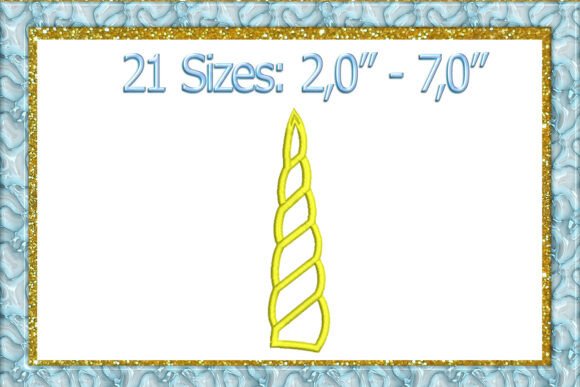
Unicorn Horn Applique Embroidery Design
First Impression: Whimsical, Playful, and Instantly Recognizable
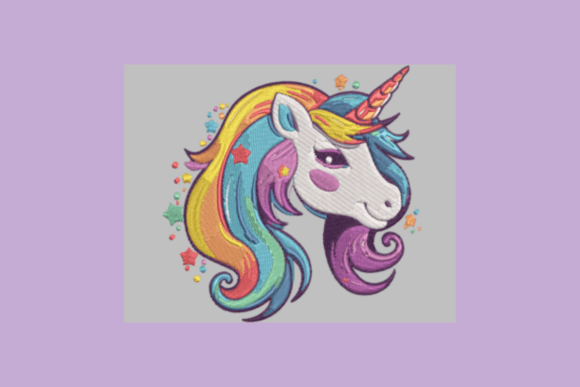
As an embroidery designer who’s prepped over 200 craft fair booths—and shipped thousands of handmade products—I opened Unicorn Horn Applique Embroidery Design expecting charm, not clutter. And it delivers: this is a clean, confident machine embroidery design that leans into joyful fantasy without tipping into kitsch. It reads as whimsical yet polished, with just enough detail to feel intentional—no overworked swirls or fragile tendrils. The title alone signals its niche: Fairy Tales meets modern handmade. Customers at craft fairs don’t pause for subtlety—they stop for magic that feels *real*, and this design lands like a soft sparkle on a sunlit booth table.
Where It Shines: Craft Fair-Ready Product Pairings
This isn’t just another unicorn file—it’s a versatile craft fair product engine. On a natural canvas tote bag? Perfect. The horn anchors the composition with gentle upward energy, drawing eyes without overwhelming the fabric’s texture. As apron embroidery, it pops beautifully above the pocket—small enough to avoid bulk, bold enough to read from six feet away. For tea towel embroidery, it works best centered on the lower third, where its shape echoes the towel’s drape and avoids steam-blotched zones near the stove.
As an embroidered patch, Unicorn Horn Applique Embroidery Design holds up brilliantly—even at 2.5" wide—thanks to balanced stitch density and minimal fill areas. That makes it ideal for iron-on or sew-on patches sold individually or bundled with kits. On caps? Use caution: the curve flattens fine lines, so I recommend placing it on the front panel (not the crown) and confirming hoop compatibility before stitching. For small shop products like fabric pouches or pillow covers, it scales elegantly—either as a single focal point or paired with coordinating stars or clouds (if your brand allows cohesive design assets).
Photography & Online Appeal: Why Etsy Sellers Will Love This
This design photographs exceptionally well. Its high-contrast silhouette—especially when stitched in metallic silver or pearlescent white thread on charcoal linen—creates crisp, scroll-stopping thumbnails. No blurring, no lost definition. That’s gold for Etsy seller listings, printable mockups, and social media carousels. Unlike overly intricate fairy designs, Unicorn Horn Applique Embroidery Design doesn’t demand perfect lighting to read clearly. It translates cleanly across backgrounds: light wood, marble, pastel paper, even rustic burlap. That versatility means fewer custom mockup sessions—and faster listing turnaround.
Production Reality Check: What Works (and What Needs Testing)
Yes, it’s labeled “Perfect on t-shirts, home decor, birthday items, wall art”—but let’s get practical. This is a machine embroidery design built for clarity, not complexity. There are no tiny lettering elements or micro-details that vanish on textured towels or thick denim. Still: always test the embroidery file on scrap fabric first. Check thread contrast against your base color—especially on dark fabric, where light threads can appear washed out without proper underlay. Review spacing: does the horn clear adjacent seams or pockets? Confirm hoop size fits your frame—and that your stabilizer choice matches fabric weight (cutaway for knits, tear-away for stable cottons).
Dense stitch areas? Minimal here—but inspect the horn’s tip and base curve. If your machine struggles with tight satin stitches, consider reducing density by 5–8% for smoother runs. And never skip the real mockup: stitch one sample onto your actual tote bag fabric—not just quilting cotton. Fabric texture changes everything. A tea towel’s looped surface may soften edges; a smooth satin pouch will sharpen them. That difference affects perceived quality, price point, and repeat sales.
Careful-Use Notes You Can’t Skip
- Curved surfaces: Caps and mugs require re-digitized versions—don’t force this flat design onto domes.
- Textured towels: Use medium-weight cutaway stabilizer + reduced top tension to prevent puckering.
- Dark fabric: Add a white underlay layer beneath light threads for brightness and dimension.
- Small sizes: Below 1.75", the horn’s taper may blur—stick to ≥2" for patches or pouches.
- Commercial embroidery: Verify licensing terms—this is a digital embroidery file intended for finished product resale, but confirm usage rights before mass production.
Booth Impact & Buyer Engagement: More Than Just Cute
In a crowded craft fair aisle, Unicorn Horn Applique Embroidery Design performs like a quiet magnet. It’s not loud—but it’s *memorable*. Parents point it out to kids. Teens snap photos for Instagram Stories. Grandmothers smile and say, “That reminds me of my granddaughter’s room.” That emotional resonance converts browsers into buyers. When stitched consistently across your line—tote bags, tea towels, embroidered patches—you build brand recognition fast. It supports a cohesive story: handmade magic, rooted in joy, not trend-chasing.
It also elevates perceived value. A plain linen pouch becomes a giftable handmade item with this design. An apron shifts from utilitarian to collectible. That’s the power of thoughtful embroidery design: it transforms raw materials into keepsakes. And because it’s scalable, repeatable, and production-friendly, it fuels batch work without sacrificing uniqueness. You’re not selling stitches—you’re selling delight with durability.
Final Designer Notes Before You Stitch
- Test on your exact fabric—not just a swatch, but the finished product substrate.
- Compare thread colors across three lighting conditions: daylight, warm bulb, phone flash.
- Inspect stitch density visually—not just on screen. Look for skipped stitches or thread nesting at curves.
- Create at least one real-world mockup: photograph it styled, not isolated.
- Check commercial licensing before selling finished products—especially for wholesale or boutique distribution.
- Store your digital embroidery file with version notes: “v2 – adjusted horn tip density for towels.”
Bottom line? Unicorn Horn Applique Embroidery Design earns its place in your active design library—not as filler, but as a reliable, emotionally resonant anchor for your handmade product line. It balances fairy-tale wonder with smart, sellable structure. And in the world of craft fairs and small shop growth, that balance isn’t optional. It’s essential.