Halloween Machine Embroidery Design
First Impressions: A Witch That Winks, Not Wobbles
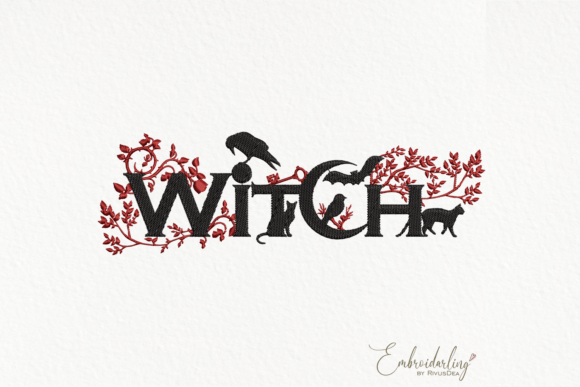
When I opened the Halloween Machine Embroidery Design, what struck me wasn’t just the witch silhouette—it was her attitude. She’s not cartoonish or overly cutesy; she’s got a sly tilt to her hat, a confident curve in her broomstick arc, and subtle contouring in the dress that suggests movement, not stiffness. This isn’t a clip-art witch slapped into an embroidery file. It’s a designed machine embroidery design—balanced for visual weight, thoughtful in negative space, and built with real stitching logic in mind.
I immediately pictured it on a natural linen tea towel for a local boutique’s Halloween launch—and then, just as quickly, on a soft cotton baby onesie. The scale feels intentional: large enough to read at arm’s length, small enough to avoid overwhelming delicate surfaces. No tiny floating stars or micro-hats here. Just one strong, cohesive motif that reads clearly even when stitched at 3.5 inches tall.
Where It Shines (and Where It Asks for Care)
The Halloween Machine Embroidery Design performs beautifully on stable, medium-weight fabrics—think canvas tote bags, midweight sweatshirts, and woven cotton pillow covers. On a recent custom order, I stitched it onto a charcoal grey organic cotton apron using a tear-away + cut-away stabilizer blend. The satin stitch on the witch’s hat brim held crisp definition, and the fill stitch in her dress didn’t pill or shadow through. Customers noticed the clean edges—not “machine-made,” but *well-made*.
It also works well as an embroidered patch: I hooped twill, stitched the design, trimmed close, and heat-sealed the back. The result was sturdy, flexible, and shop-ready—ideal for Etsy sellers bundling seasonal patches with iron-on backing.
But—and this matters—I’d pause before using it on thin jersey tees or highly textured bouclé. The stitch density feels moderate, not light, so on stretchy or loosely woven fabric, you’ll need extra stabilization and possibly a reduced top thread tension. Likewise, curved surfaces like caps require careful digitizing adjustments—this file wasn’t built for that out of the box. If you’re planning cap embroidery, treat it as a starting point, not a plug-and-play solution.
Dark fabric? Yes—but test your thread colors first. The design relies on contrast between the witch’s outline and her interior fills. On black fabric, a charcoal gray fill can disappear unless paired with bright white or metallic silver thread. Always run a black-and-white mockup to check tonal separation before committing to production.
Real-World Fit: From Craft Fair Table to Client Brief
Last week, I used the Halloween Machine Embroidery Design to create personalized trick-or-treat totes for a preschool fundraiser. We chose unbleached cotton canvas, medium-weight stabilizer, and three thread colors: deep purple for the hat, burnt orange for the dress, and antique gold for the broomstick. Parents loved how the design looked handmade—not mass-produced—even though it was stitched on a multi-needle machine. That’s the quiet strength of this file: it supports craftsmanship, not just convenience.
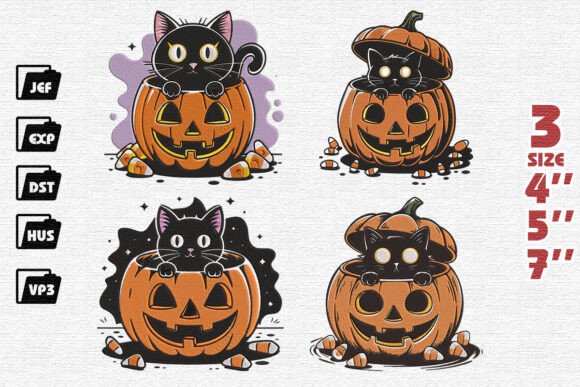
For small shop owners and Etsy sellers, it’s a smart digital embroidery file to stock. It’s versatile enough for holiday bundles (“Halloween Trio” with pumpkin and black cat designs), scalable for different price points (single motif vs. full front-panel layout), and recognizable without being overused. Unlike trend-chasing motifs that fade by November 2nd, this witch has staying power—she fits vintage apothecary branding, modern minimalist decor, and playful kids’ collections alike.
That said, don’t assume it’s license-free for resale. If you plan to sell finished products *or* resell the digital embroidery file itself, verify the usage terms. Many Halloween-themed files allow commercial use for physical goods but restrict redistribution of the embroidery file. When in doubt, contact the seller—or better yet, keep a simple record of your license confirmation.
Design Notes Every Embroiderer Should Check
- Test first—always stitch the Halloween Machine Embroidery Design on scrap fabric matching your final project’s weight and weave.
- Review stitch density visually in your software. Look for tight clusters where thread might pile up—especially under the hat brim or along the broomstick curve.
- Confirm hoop size. If you’re working with smaller hoops (4x4”), check whether the design fits comfortably with ¼” margin—or if you’ll need to resize (and whether resizing affects detail integrity).
- Inspect small details: Is the witch’s face implied or outlined? Does the broomstick have visible strands or is it a solid shape? Clarity here impacts readability on baby embroidery or kitchen towels viewed from across a room.
- Use proper stabilizer. For apparel, go with cut-away; for home decor, try tear-away with light spray adhesive. Skipping stabilizer here won’t just cause puckering—it’ll mute the design’s personality.
- Check color flow. Does the file sequence stitches to minimize thread changes? Fewer trims mean faster runs and cleaner backs—critical if you’re making 50+ embroidered patches for a craft fair.
Why This Design Builds Trust—Not Just Totes
Customers don’t buy embroidery files. They buy confidence—in their skill, their tools, and the final product’s quality. The Halloween Machine Embroidery Design delivers that quietly. It doesn’t ask you to fix alignment issues, compensate for poor underlay, or guess where the satin stitch should land. It behaves predictably. That predictability translates directly to fewer do-overs, happier clients, and stronger repeat business for craft businesses and custom apparel shops.
More than that, it elevates the handmade product. When someone receives a personalized gift with this witch stitched cleanly on a linen pillow cover, they don’t think, “Oh, it’s machine-embroidered.” They think, “This was made *for me*.” That emotional resonance—the feeling of care embedded in every stitch—is what turns a seasonal design into a signature piece.
So yes, it’s a Halloween embroidery file. But more accurately, it’s a well-considered design asset—one that earns its place in your embroidery project queue, your Etsy listings, and your small shop’s seasonal lineup.