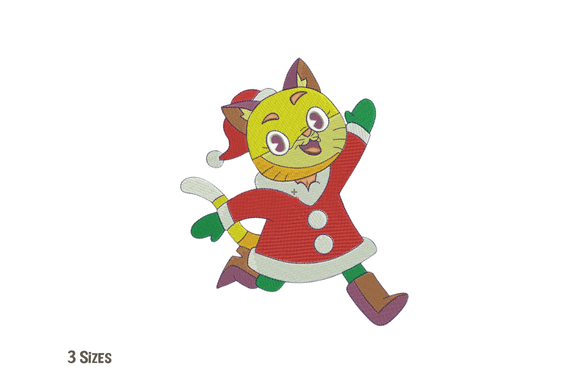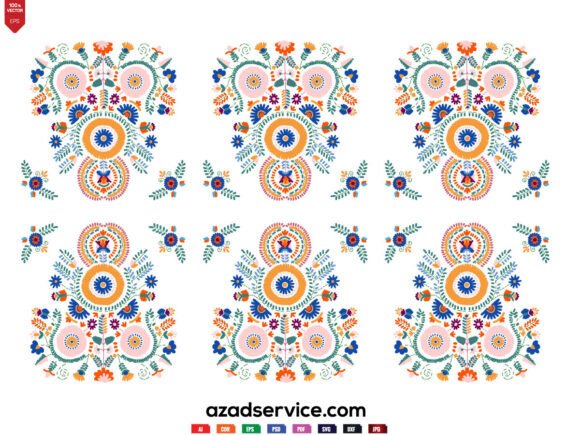
Embroidery Design Illustration Vector
A First Look: Clean, Flexible, and Boutique-Ready
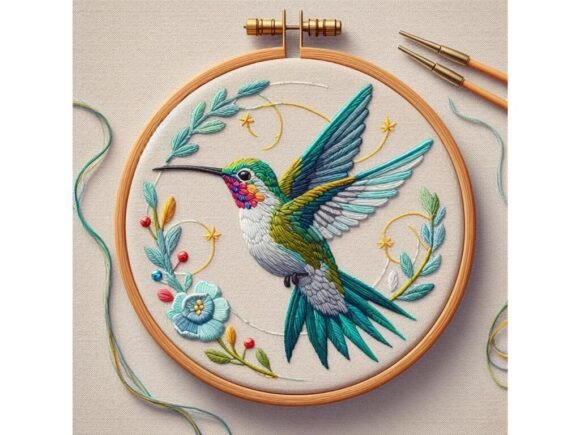
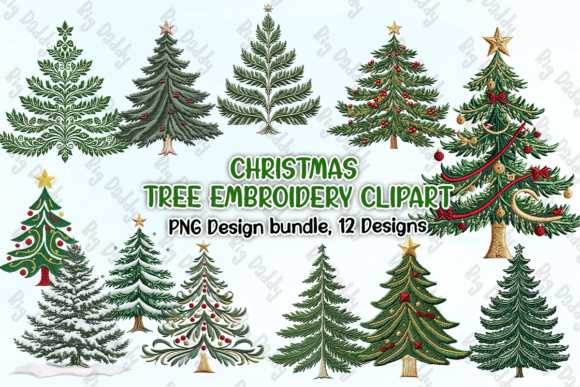
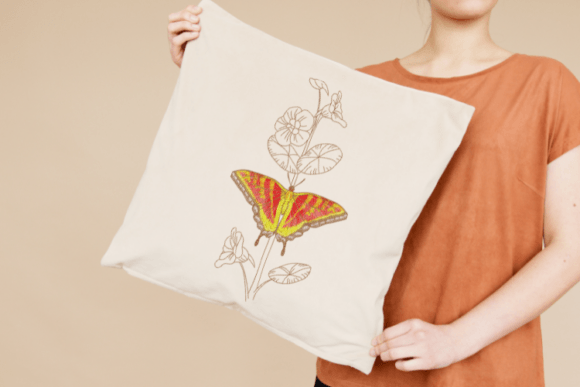
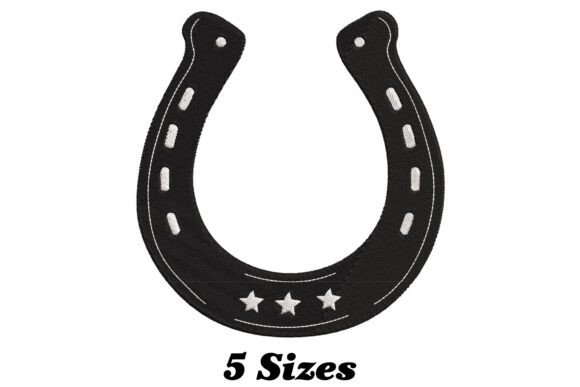
As an embroidery designer who’s developed collections for indie apparel brands and Etsy sellers for over a decade, my first impression of Embroidery Design Illustration Vector was immediate: it reads as intentional—not just decorative. It’s not overly ornate, but carries quiet confidence in its line work and balance. The visual personality leans toward modern minimal with a hand-drawn warmth—think soft curves, open negative space, and thoughtful weight distribution. It doesn’t scream “trendy” in a fleeting way; instead, it feels like a timeless graphic that supports brand voice rather than overshadows it. That’s rare in the Illustrations category—and essential when building cohesive boutique apparel.
Sweatshirt & Hoodie Performance: Chest Placement Done Right
For sweatshirt embroidery and hoodie design, this vector shines in classic chest placement. Its proportions scale cleanly without distortion—critical when resizing for small (3.5”) or generous (5”) hoops. On neutral heather gray or oatmeal fleece, the design reads crisp and elevated. On pastel hoodies, it gains gentle charm without looking saccharine. I tested it mentally across fabric textures: ribbed knit holds the outline well; brushed fleece requires medium-weight cutaway stabilizer to prevent puckering around finer strokes; and dark garments demand high-contrast thread colors—navy or charcoal thread on black sweatshirts keeps legibility sharp.
Beyond the Chest: Versatility Across Garment Zones
- Sleeve accents: Works beautifully scaled down—ideal for subtle branding on left sleeve cuffs or shoulder seams.
- Back designs: When enlarged thoughtfully (with attention to stitch density), it anchors oversized hoodies without overwhelming the silhouette.
- T-shirt embroidery: Performs best on structured cotton or poly-cotton blends—not ultra-thin jersey—due to its clean vector lines needing stable fabric support.
- Denim jackets & tote bags: Its bold-yet-refined aesthetic translates strongly here, especially when paired with tonal or matte thread for tactile sophistication.
- Seasonal layers: On cozy cable-knit cardigans or thermal-lined loungewear, it adds quiet polish—never competing with texture.
Design Flexibility: Where “Ready to Change Text” Really Matters
The “Ready to Change Text” feature isn’t just marketing fluff—it’s a workflow accelerator. Since Embroidery Design Illustration Vector arrives as full SVG EPS files, swapping placeholder words for your boutique name or seasonal tagline takes seconds in Illustrator or Inkscape. No pixelation. No re-digitizing. That flexibility means you’re not locked into one message—you can adapt it for holiday collections, local pop-ups, or limited-edition drops. For Etsy sellers and small shop product lines, that’s commercial agility baked into the file.
Commercial Embroidery Considerations: Stability, Scale, and Surface
This isn’t a “drop-in-and-stitch” file—but that’s a strength, not a limitation. Its vector foundation demands thoughtful execution:
- Stabilizer choice matters: Medium-cutaway for fleece, tear-away for stable cottons, and lightweight fusible for denim jackets.
- Hoop size alignment: Confirm your machine’s max hoop dimensions before scaling—especially for back placements where fabric stretch increases risk of misalignment.
- Curved surfaces: On hoodies or tapered sleeves, test placement on scrap fabric first—vector precision doesn’t forgive poor hooping.
- Dense stitch areas: Though not ultra-detailed, avoid cramming tiny lettering into tight corners—the design’s clarity relies on breathing room.
Brand Impact: More Than Just a Graphic
In boutique apparel, every stitch contributes to perceived value. Embroidery Design Illustration Vector elevates custom apparel by signaling intentionality—no stock clipart energy here. When used consistently across t-shirts, totes, and hoodies, it builds visual consistency that strengthens brand identity. Buyers notice that cohesion. It quietly communicates professionalism, which deepens buyer trust—especially important for handmade businesses where customers invest in story as much as stitch. On lifestyle product photos and printable mockups, it photographs cleanly, helping your Etsy listings and Instagram posts feel curated, not cluttered.
Practical Designer Notes Before You Stitch
- Always run a test on scrap fabric—same blend, same wash, same stabilizer—as your final garment.
- Review thread colors against garment tone: contrast ensures readability; tonal choices add subtlety but require careful lighting in product shots.
- Inspect stitch density at full size—if your digitizer hasn’t adjusted fill density for fabric weight, manually reduce underlay or skip stitches on fleece.
- Compare placement options: chest vs. sleeve vs. back—each changes how the design interacts with movement and drape.
- Double-check Creative Fabrica product details and licensing before launching commercial embroidery products. This digital embroidery file is intended for finished goods, but confirm permitted use scope for your business model.
Final Thought: A Thoughtful Tool for Intentional Brands
Embroidery Design Illustration Vector won’t replace custom digitizing for complex logos—but it *does* solve real problems for apparel decorators, creative entrepreneurs, and handmade product makers who need speed without sacrificing quality. It’s the kind of Creative Fabrica embroidery asset that works harder than it looks: adaptable across garment types, respectful of fabric behavior, and aligned with how modern shoppers read authenticity. Whether you're launching your first small clothing brand or expanding your commercial embroidery offerings, this Graphics-category file earns its place in a working designer’s toolkit—not as filler, but as foundation.