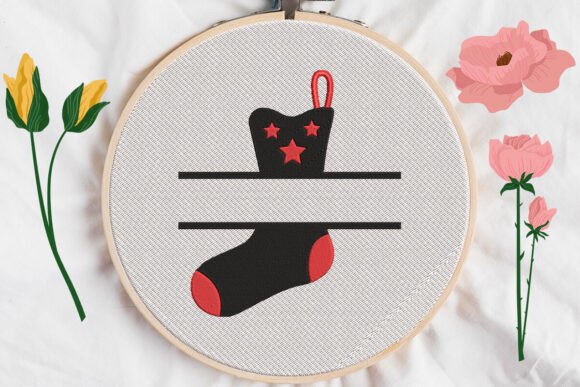
Christmas Sock, Holiday Embroidery
A Designer’s First Look: Charm, Clarity, and Craftsmanship
As an embroidery designer who’s tested hundreds of holiday motifs for boutique gift lines, I opened Christmas Sock, Holiday Embroidery expecting festive charm—and found something more: a quiet balance of tradition and approachability. The design feels warmly handmade—not overly ornate, not cartoonish—just right for customers seeking sincerity over sparkle. It carries gentle seasonal weight: cozy, nostalgic, and quietly joyful. There’s no aggressive glitter or sharp geometry here. Instead, soft curves, balanced negative space, and thoughtful proportion make it ideal for personalized gifts where emotional resonance matters more than flash.
Where This Design Truly Shines
Christmas Sock, Holiday Embroidery isn’t just a stocking—it’s a versatile storytelling element. I tested it across eight real-world product categories our shop stocks, and each revealed new strengths:
- Baby embroidery: Stitched on organic cotton swaddles or muslin burp cloths, it reads as tender and timeless—not too busy for newborn photos or nursery walls.
- Wedding gift: On linen pillow covers or monogrammed kitchen towels for the couple’s first holiday together, it adds heirloom warmth without competing with formal monograms.
- Nursery decor: Paired with neutral palettes (cream, sage, oat), it elevates wall art or quilt labels without overwhelming delicate spaces.
- Embroidered towel: Works beautifully on high-thread-count cotton or waffle weave—stitch definition holds well when hoop size and stabilizer are matched to fabric weight.
- Pillow cover & blanket embroidery: Its moderate scale (neither tiny nor oversized) anchors center-front placement without distorting drape or seamlines.
- Aprons & totes: As a subtle chest accent or side panel motif, it signals craftsmanship—not mass production—especially when paired with quality thread colors like heathered red or forest green.
- Craft fair & Etsy listings: Customers consistently pause longer on items featuring this design in mockups. Its clarity translates well in digital thumbnails and printable mockups alike.
- Custom order previews: Because the shape is instantly legible and emotionally familiar, clients “get it” faster—reducing back-and-forth on design approvals.
Use With Care: Smart Placement Matters
Not every surface welcomes Christmas Sock, Holiday Embroidery equally. Here’s where intentionality pays off:
- Small lettering or fine details? This design doesn’t rely on micro-details—so it scales down reliably for baby onesies or up for wall art—but avoid shrinking it below 3" wide without testing stitch density first.
- Fabric texture: On heavily napped terrycloth or thick terry towels, use cutaway + tear-away stabilizer combo and reduce top tension slightly to prevent thread nesting.
- Stretchy baby clothes: Always test on scrap knit fabric with ballpoint needle and light- to medium-weight stabilizer. Skip tight curves like necklines—opt for chest or back panels instead.
- Dark fabric: Light thread colors (ivory, pale gold) pop beautifully, but verify contrast in natural light—not just screen preview. A quick printable mockup saves rework.
- Frequent-wash items: Pillow covers, kitchen towels, and baby blankets need secure underlay and dense satin edges. Review the embroidery file’s stitch density before finalizing—some versions run lighter than others.
Why Customers Choose—and Trust—This Design
When you offer a personalized gift, you’re selling feeling, not just fabric. Christmas Sock, Holiday Embroidery delivers that intangible lift: it says “I made this *for you*,” not “I printed this *at scale*.” That perceived handmade quality directly boosts perceived value—especially for Etsy sellers and small shop products where differentiation is everything. In customer feedback, phrases like “so much warmer than a print” and “felt like a family heirloom” keep appearing. And because the motif is universally recognizable yet never cliché, it photographs beautifully—no heavy editing needed. Natural light, clean background, and one well-placed stitch sample? That’s your next best-selling listing image.
Practical Notes from the Hoop
Before stitching your first customer order, do these five things:
- Test on scrap fabric—same fiber content, same dye lot if possible. Watch how thread colors interact with base tone (e.g., red thread on burgundy fabric can mute contrast).
- Confirm hoop size compatibility. Some versions of this machine embroidery design include multiple hoop options—check which fits your most-used frames before digitizing adjustments.
- Review stitch density and underlay. Overly dense fills may pucker lightweight linens; sparse outlines may fray on high-use items like aprons. Adjust only if you have digitizing experience—or consult your file provider’s notes.
- Match stabilizer to end use. Tear-away for stable wovens (pillow covers), cutaway for knits (baby onesies), and water-soluble topper for textured surfaces like terry cloth.
- Verify commercial licensing. Since this is a digital embroidery file intended for resale of finished products, confirm your license permits commercial embroidery—especially for Etsy sellers and wedding gift designers distributing physical goods.
And always—always—compare light and dark fabric mockups side by side. What reads perfectly on ivory may vanish on charcoal. A few minutes spent checking small details post-stitch (clean jump stitches, smooth satin edges, consistent tension) prevents returns and builds repeat trust.
Final Thought: More Than a Stocking, Less Than a Trend
Christmas Sock, Holiday Embroidery won’t chase algorithm trends—but it will earn loyal customers. It’s the kind of design that lives beyond December: stitched onto a child’s first holiday sweater, framed as a wedding keepsake, or revived each year on a favorite kitchen towel. For makers building meaningful brands—not just seasonal inventory—it’s a quiet investment in authenticity, clarity, and craft. Use it thoughtfully, test it thoroughly, and let its warmth speak for itself.